The Big Holiday Immunity Crash
Latest Reads - The Big Holiday Immunity Crash
Why teens get sick when school ends and how to help them stay strong
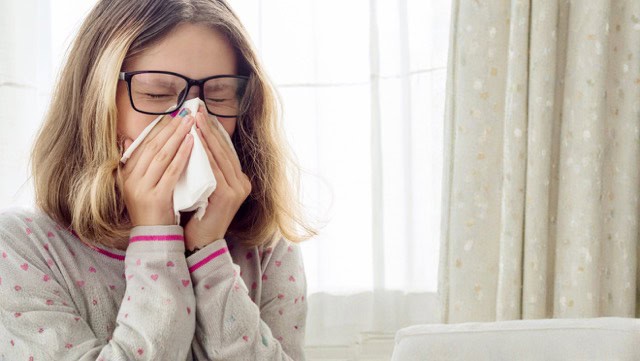
It’s a familiar pattern. School’s out. Exams are done. Backpacks off, shorts on… and suddenly your teenager is curled up, coughing and sneezing.
It feels unfair, how can they get sick just as the rest begins? But science has a clear explanation. More importantly, it shows us how to protect them.
The Stress-Sick Cycle: What the Research Says
Backed by decades of psychoneuroimmunology research, here’s what we know about the connection between stress and immunity, especially in teens:
1. Stress quietly suppresses the immune system
Long periods of academic stress, like exam season, can weaken immune response. It’s not that immune cells disappear, they just stop working as effectively. Think of them as being present, but distracted.
(Segerstrom & Miller, 2004)
2. Viruses take advantage of stress
During high-pressure times, teenagers often sleep poorly, skip meals, and rely on adrenaline. This creates a perfect environment for viruses to enter the body undetected.
(Cohen et al., 1991)
3. When stress ends, symptoms begin
Once the holidays start and cortisol levels drop, the immune system ‘wakes up’. It finally has the capacity to fight, and that’s when symptoms appear.
Science is clear on one thing: adolescence is a time of intense growth. The brain is rewiring, the body is changing, and pressure – academic, emotional, social – is everywhere. During this stage, teens have higher nutritional demands and often struggle to meet optimal nutrient needs for immunity, especially vitamin D, zinc, antioxidants, Omega-3, and gut supporting fibre (Wu et al., 2019). This is where immune supporting nutrition, good habits, and targeted supplementation come in. That’s why GenH exists: to provide clean, clinically informed, teen-specific support to build physical and mental resilience, so let’s break it down.
The GenH Holiday Defence Plan
Simple, science-backed strategies to support immunity during rest, recovery, and beyond.
1. Rehydrate: Electrolytes for recovery & resilience
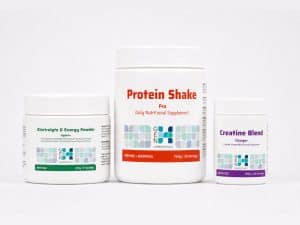
Hydration supports mucosal immunity, the body’s first defense against viruses. During stress, dehydration and poor sleep make immunity less effective. GenH Rehydra helps helps replace lost fluids and electrolytes so teens bounce back faster after exams, sports, and late nights.
2. Omega-3: Calms inflammation & supports immune balance
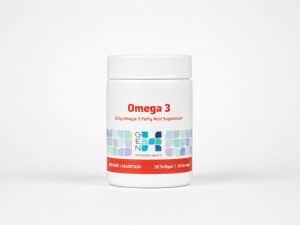
GenH Omega-3 calms inflammation and supports immune regulation. It also helps with focus and recovery, especially after intense stress. Read more about how Omega-3 works here.
3. Gut Health = Immune Health
About 70% of the immune system is housed in the gut.
GenH Balance Biotic supports a healthy microbiome to boost defences and shorten recovery time.
4. Protein: The Immune Building Block
Under stress, many teens skip meals or snack instead of eating properly. Immune cells are made of protein, so low intake means slower recovery.
GenH Pro Protein Shake helps meet those daily needs with easy, teen-friendly nutrition.
Everyday Habits That Build Resilience
These simple routines help immunity stay strong – before, during, and after the holidays:
✔️ Sleep 8–10 hours: critical for immune activation
✔️ Eat regularly with protein at each meal
✔️ Hydrate consistently, not just during sport
✔️ Move, even 15 – 20 minutes of exercise counts
✔️ Switch off, the nervous system needs time to reset
GenH doesn’t replace these habits it supports them, fills the gaps, and makes healthy routines easier for teens to follow. This is more than prevention. It’s preparation – for health, confidence, and a future only they can build.
References
Segerstrom S C & Miller G E (2004) Psychological stress and the human immune system: A meta analytic study of 30 years of inquiry. Psychological Bulletin 130(4) 601 to 630.[ https://doi.org/10.1037/0033 2909.130.4.601](https://doi.org/10.1037/0033 2909.130.4.601)
Cohen S, Tyrrell D A J, & Smith A P (1991) Psychological stress and susceptibility to the common cold. New England Journal of Medicine 325(9) 606 to 612. https://doi.org/10.1056/NEJM199108293250903
Wu D, Lewis E D, Pae M, & Meydani S N (2019) Nutritional modulation of immune function: Analysis of evidence, mechanisms, and clinical relevance. Frontiers in Immunology 9, 3160. https://doi.org/10.3389/fimmu.2018.03160
Share This :