Part 2: Supporting Immune Health: A High-level Gameplan
Latest Reads - Part 2: Supporting Immune Health: A High-level Gameplan
You know what matters, but getting it right consistently, in the middle of school schedules, sport, stress, and everything else, can feel unrealistic.
So instead of chasing perfection, let’s shift the approach. Let’s build an immune support gameplan together.
This isn’t about doing everything perfectly. It’s about having a methodology you can return to, whether you’re trying to prevent illness, manage it, or support recovery after it hits.
Our methodology is simple:
- Recognise the parts of the immune system we can support as parents.
- Identify what disrupts them.
- Understand what those disruptors do to the body.
- Layer in realistic ways to support your teen consistently over time.
Not perfectly. Consistently.
- Sleep
Immune signalling, inflammation control, and the body’s ability to respond to infection.
Disruptor
Late nights. Early mornings. Screens. Academic pressure. Social life. Teen biology that naturally shifts sleep later.
What this does to the body
Sleep loss doesn’t just cause tiredness. It disrupts immune regulation, increases inflammatory stress, and reduces the body’s ability to respond effectively to infection.
Solution
You don’t need perfect sleep. You need better patterns.
Consistent bedtimes where possible. Winding down earlier. Protecting sleep more intentionally during high-pressure periods like exams or intense training blocks.
Where supplements fit in
Sleep is foundational. No supplement can replace it.
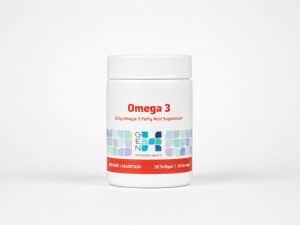
But where routines fall short, targeted nutritional support can help. Nutrients involved in nervous system regulation and recovery may support the body’s ability to wind down and restore. Where sleep is under pressure, supporting the nervous system becomes important. This is where products like GenH Omega-3 Fatty Acid Supplement can play a role, contributing to normal brain function and supporting overall regulation during demanding periods.
This is not a sleep fix, but part of creating a more resilient baseline
- Nutrition
Energy availability, immune cell function, and micronutrient sufficiency.
Disruptor
Busy schedules. Skipped meals. Convenience foods. Low appetite. High output with low intake.
What this does to the body
The immune system is energy-dependent. Without enough fuel, protein, and micronutrients, immune cells cannot function optimally.
Solution
Think consistency over perfection.
Regular meals. Enough protein. Variety across food groups. Supporting the gut through fibre-rich foods. Not every meal needs to be ideal, but the overall pattern matters.
Where supplements fit in
This is where supplementation can be most useful.
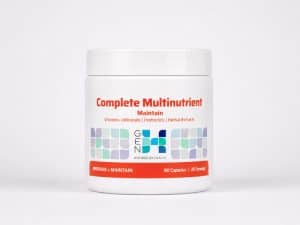
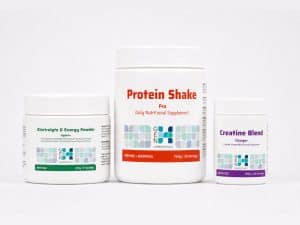
When intake is inconsistent or demands are high, a well-formulated product can help bridge nutritional gaps. This includes providing protein, essential vitamins and minerals, and support for growth, recovery, and immune function. A product like GenH Maintain Complete Multinutrient helps cover micronutrient gaps, while GenH Pro Protein Shake provides a reliable source of protein and additional nutrients to support growth, recovery, and immune function.
This is not about replacing food. It’s about supporting intake when real life gets inconsistent.
- Recovery
Adaptation, tissue repair, and immune resilience under physical load.
Disruptor
Back-to-back training. Busy schedules. Pressure to perform. Returning to sport too quickly after illness.
What this does to the body
The immune system is highly sensitive to load. Too much strain without enough recovery increases susceptibility to illness and delays full recovery.
Solution
Build recovery into the routine, not just after illness.
Rest days matter. Fuelling around training matters. And after illness, a gradual return is not a weakness, it’s part of the process.
Where supplements fit in
During high training loads or post-illness recovery, nutritional support can help meet increased demands. This includes supporting energy intake, protein needs, and nutrients involved in tissue repair and immune function. Products like GenH Active+ Protein & Carbohydrate Shake and GenH Hydra+ Electrolyte & Energy Powder help support energy availability, hydration, and recovery during and after activity.
For lighter activity or recovery phases, GenH Rehydra Electrolyte Powder supports hydration and electrolyte balance without added energy load.
- Stress
Immune regulation, hormonal balance, and overall resilience.
Disruptor
Academic pressure. Social dynamics. Performance expectations. Constant stimulation.
What this does to the body
The immune system does not operate in isolation. Ongoing stress shifts hormonal balance and immune regulation, making it harder for the body to stay resilient over time.
Solution
You can’t remove stress, but you can buffer it.
Sleep, nutrition, movement, and downtime all help regulate the system. Even small shifts, like protected downtime or reduced load during high-stress periods, make a difference.
Where supplements fit
During sustained stress, supporting brain function and energy metabolism becomes important.
Products like GenH Concentr8 Focus Support are designed to support cognitive performance during demanding periods, helping teens manage load without further draining the system.
Combined with foundational nutrition, this supports overall resilience rather than chasing quick fixes.
The bigger picture
No single intervention “boosts” immunity. But when you layer support mechanisms consistently as sleep, nutrition, recovery and stress support; you shift the system. Not towards perfection, but towards resilience. And that’s the gameplan!
References
- Besedovsky L, Lange T, Haack M. The Sleep-Immune Crosstalk in Health and Disease. Physiological Reviews.2019. https://doi.org/10.1152/physrev.00010.2018
- Calder PC. Nutrition, immunity and COVID-19. BMJ Nutrition, Prevention & Health. 2020. https://doi.org/10.1136/bmjnph-2020-000085
- Dhabhar FS. Effects of stress on immune function. Annual Review of Psychology. 2014. https://doi.org/10.1146/annurev-psych-010213-115137
- Garbarino S, Lanteri P, Bragazzi NL, Magnavita N, Scoditti E. Role of sleep deprivation in immune-related disease risk and outcomes. Communications Biology. 2021. https://www.nature.com/articles/s42003-021-02825-4
- Gleeson M, et al. The anti-inflammatory effects of exercise. Nature Reviews Immunology. 2011. https://doi.org/10.1038/nri3041
- Irwin MR. Sleep and inflammation: partners in sickness and in health. Nature Reviews Immunology. 2019. https://doi.org/10.1038/s41577-019-0190-z
- Mason L, et al. Sleep, Nutrition, and Injury Risk in Adolescent Athletes. Sports Medicine – Open. 2023. https://pmc.ncbi.nlm.nih.gov/articles/PMC10745648/
- Walsh NP. Nutrition and Athlete Immune Health: New Perspectives on an Old Paradigm. Sports Medicine.2019. https://doi.org/10.1007/s40279-019-01160-3
Share This :