Creatine: Hype or Hero During Exam Season?
Latest Reads - Creatine: Hype or Hero During Exam Season?
Exams aren’t just about knowing the work, they’re a test of stamina. Long nights. Skipped meals. Mind-numbing screen time. Through it all, one organ takes the biggest hit: your teen’s brain. Behind every thought, memory, and “aha” moment is a small molecule that keeps energy flowing – creatine.
At GenH, we believe in fuelling minds as intentionally as we fuel bodies. And during exam time, creatine becomes one of the most important tools in your teen’s mental toolkit.
Let’s unpack the science behind creatine.
The Brain’s Energy Currency
Your teen’s brain uses up to 20% of the body’s total energy, even when they’re sitting still. That energy comes in the form of ATP, the brain’s chemical currency. Creatine helps recycle ATP, keeping brain cells energised and firing under pressure.
When the revision hits hour three and mental fatigue kicks in, creatine helps keep the system running smoothly, preventing crashes, fog, and frustration (Roschel et al., 2021).
What the Research Says
Multiple research studies shows that creatine supplementation can improve:
- Working memory
- Attention and focus
- Reaction time under stress or sleep loss
It supports mental endurance, the ability to stay focused for longer stretches, and helps restore brain energy balance after fatigue, exercise, or even mild head injury (Roschel et al., 2021).
In short: more stable brain energy equals clearer thinking, better recall, and calmer performance.
Who Benefits Most?
Creatine is found naturally in meat and fish, but teens who eat little or no animal protein (vegetarians or vegans) tend to have lower baseline levels (Gutiérrez-Hellín et al., 2025). Supplementing helps refill those reserves, boosting both physical and mental energy.
Girls and women generally store slightly less creatine than boys, so they may benefit more from supplementation, especially during the energy-draining phases of the menstrual cycle (Gutiérrez-Hellín et al., 2025).
Creatine Protects, Too
Creatine doesn’t just fuel, it protects too. Studies show it helps cells recover after stress, concussion, or oxygen deprivation by stabilising mitochondria (the cell’s power stations) and reducing oxidative stress (Roschel et al., 2021). For active teens balancing sport and study, creatine supports both mental and physical recovery.
How to Use Creatine Smartly
- Form: Creatine Monohydrate (the safest, most studied version)
- Dose: 3 – 5g daily
- Timing: Anytime – consistency is key
- Mix with: Water, juice, or a GenH protein shake
- Safety: Backed by decades of research, safe for healthy teens at standard doses
Creatine builds up gradually in the brain and muscles, think “top-up,” not “instant hit.”
Hype or Hero?
We don’t follow trends, we follow science. creatine supplementation isn’t hype. In our book, it’s a hero.
Exams aren’t just mental, they’re metabolic. When your teen’s brain runs low on energy, creativity, memory, and mood take the hit. Creatine helps keep the system charged, giving them a quiet edge where it counts most: focus and resilience.
Looking for a teen-safe creatine you can trust?
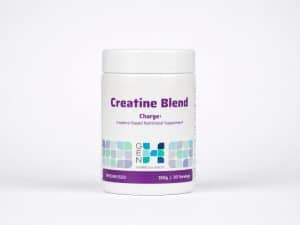
Try GenH Charge+, developed with your teen’s needs in mind, pure, precise, and proven.
References
Share This :