The Science of Smart Hydration
Latest Reads - The Science of Smart Hydration
From brains to biceps, around 65 – 70% of a teenager’s body is water. Staying hydrated isn’t optional, it’s foundational. Every cell, every muscle fiber, every neural circuit depends on fluid balance to function well.
Yet, hydration is one of the most overlooked “nutrients” in teen health. For growing bodies, smart hydration powers learning, retains strength, and protects against fatigue, overheating, and injury. But here’s the twist, hydration isn’t just about drinking water. Electrolytes, nutrients, and water-rich foods all play a role.
This is your go-to guide on how hydration really works, what derails it, and how parents can help their teens stay sharp, strong, and hydrated.
1. Hydration ≠ Just Water
The Electrolyte Edge
To absorb and retain water the body needs electrolytes, particularly sodium, potassium, calcium, magnesium, and a dash of carbohydrates. These charged minerals help draw water into cells, support nerve and muscle function, and regulate fluid shifts.
In fact, beverages designed for rehydration (sports drinks, oral rehydration solutions) include electrolytes and carbs to speed up absorption and prevent over-urination of what you just drank.
Water-Rich Foods: The Silent Hydrators
Fruits, veggies, soups, smoothie all deliver fluids and nutrients. They help reduce the burden of “just drink more water.”
When Rehydration Becomes Critical
When illness causes vomiting, diarrhea or heavy sweating, you lose fluids and electrolytes. That’s when oral rehydration solutions (ORS) or well-balanced sports drinks become important.
2. What Trips Up Hydration?
- Sweat & exertion: Even 2% body fluid loss impairs performance, raises core temperature, and increases perceived effort.
- Illness: Rapid fluid loss, especially if electrolytes are lost too, can spiral.
- Busy schedules & forgetfulness: Teens may skip hydration, especially when juggling school, sports, and social life.
- Overhydration (hyponatremia): Rare but dangerous. Drinking too much plain water without electrolytes dilutes sodium and can swell cells.
3. Recognizing Dehydration Early
Mild to moderate indicators:
Thirst, fatigue, dry or sticky mouth, dark yellow urine, reduced concentration, headache.
Severe danger signs:
Dizziness, confusion, muscle cramps, palpitations, rapid heartbeat, inability to sweat, heat exhaustion or heat stroke. These require urgent medical care.
Research shows that even nonathletic adolescents are often dehydrated. 69% of studies reviewed found under-hydration in nonathletes, and 81% in athlete studies.
4. How Much Fluid Do Teens Actually Need, and When?
According to Healthy Eating Research, adolescents aged 14–18 need between 1.5l and 2.5l a day. But that’s a baseline. When teens exercise or exposed to summer heat, they’ll need more.
- Pre-exercise: Drink at least 500ml about 1–2 hours before activity.
- During exercise: Sip regularly. For teens, that’s 30ml-480ml every 20 minutes during practice or play.
- Post-exercise: Rehydrate based on what was lost. A rule often cited is 1.25 to 1.5 L of fluid per kilogram of body weight lost.
5. Parent’s Game Plan: Helping Teens Hydrate Smart
- Lead by example: If mom or dad carry a water bottle, it becomes “normal.”
- Make water accessible: Portable insulated bottles, water stations at home and school.
- Educate (don’t nag): Explain why hydration matters: memory, mood, performance.
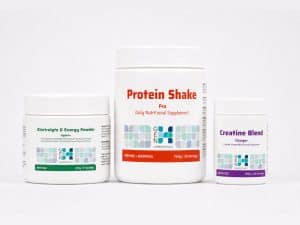
- Use electrolytes wisely: During prolonged intense exercise or illness, choose hypo- or isotonic drinks (low to moderate sugar + electrolytes). These tend to outperform pure water for fluid retention. We recommend GenH Rehydra.
- Watch for warning signs: dark urine, performance dips and headaches may signal dehydration.
6. Takeaway: Hydration as a Competitive Edge
Hydration is foundational. When your teen stays well-hydrated, their brain functions better, recovery is faster, muscles perform better, and injury risk is lower. Knowing how to combine water + electrolytes + smart timing gives your teen a real performance and wellbeing edge every single day.
Share This :