What Every Parent Should Know About Muscle Maintenance in Teens
Latest Reads - What Every Parent Should Know About Muscle Maintenance in Teens
For many parents, the idea of “muscle training” makes them think of gyms, bodybuilding, and adult fitness culture.
But muscle maintenance during childhood and adolescence has very little to do with bodybuilding. It’s not about how they look or how much weight they can lift. It’s about building lean muscle mass, which is essential for:
- Healthy growth
- Balanced metabolism
- Injury prevention
- Emotional wellbeing
Lean muscle develops through normal daily activities: climbing, running, playing, bodyweight movements, and eating well. Weight training is not a must. The science is clear, kids and teens benefit from strong muscles long before they ever step into a gym.
Here’s what the research tells us and how you can use that knowledge to support your teen at home.
Why Muscle Maintenance Matters More in Children and Teens Than at Any Other Age
- Muscle is the foundation for healthy growth
A major study by Cossio-Bolaños et al. (2019) found that lean muscle mass supports healthy physical development, especially blood sugar control. This isn’t about sports performance—it’s about building a strong, healthy body from the inside out.
- Teens can safely build and maintain strong muscles
According to the American Academy of Paediatrics, resistance training is both safe and effective for under 18’s when properly supervised (Stricker et al., 2020). This doesn’t mean heavy weights, just bodyweight, resistance bands, and movement that builds strength.
- Simple strength activities work
A 2024 study (Koźlenia et al.) showed that adolescents doing short, bodyweight routines during Physical Education lessons gained noticeable muscle mass and strength. The takeaway? They don’t need complex programmes, they just need consistency.
Why Many Teens Lose Muscle Instead of Gaining It
Even active teens can lose lean muscle during growth phases.
Here’s why:
- Growth spurts increase protein needs
- Stress can lower appetite
- Skipping meals or undereating
- Carb-heavy snacking, low protein
- Irregular sport seasons
- Poor sleep and dehydration
These all make it harder for teens to maintain lean muscle even when they’re active. But small, consistent habits can reverse this quickly.
The GenH Muscle-Maintenance Blueprint for Parents
- Prioritise Protein at Every Meal
Growing teens need more protein than you. Lean muscle relies on regular protein intake for repair and maintenance.
Easy ways to add protein:
- Add eggs, yoghurt or a GenH PRO Shake* to breakfast
- Pack lunchboxes with cheese, hummus, nuts or biltong
- Make sure dinner includes a clear protein (meat, fish, legumes, eggs)
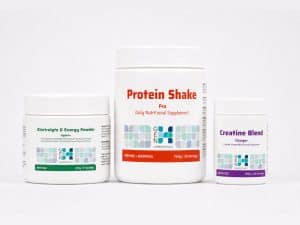
The GenH PRO Protein Shake is clean, teen-friendly and ideal for:
- Teens who skip breakfast
- Active kids who need recovery
- Busy school days with low appetite
- Add Movement that Builds Muscle (No Gym Needed)
Lean mass is built through movement, not gym machines.
The AAP confirms that resistance training for teens can include:
- Bodyweight exercises (planks, squats, push-ups)
- Resistance bands
- Sprinting, climbing, jumping
The 2024 study (Koźlenia et al.) showed measurable gains from short, school-based routines.
GenH Tip: Try a “strength snack” routine, 10 minutes, 3 times per week. It builds consistency without feeling overwhelming.
- Support Recovery with Sleep, Hydration and Micronutrients
Muscle doesn’t grow during exercise, it grows during recovery. Poor sleep, dehydration and nutrient gaps can slow progress.
What delays recovery:
- Late nights
- Not drinking enough water
- Undereating
- High stress
What supports recovery:
- 8–10 hours of sleep
- Balanced hydration
- Omega-3 to reduce inflammation
- A healthy gut for proper nutrient absorption
GenH support:
- GenH Omega-3 – Supports recovery and reduces inflammation
- GenH Rehydra Electrolyte Powder – Helps after sport or hot days
- GenH Balance Biotic – Supports digestion and protein use
- Teach Teens “The Why”
Teens are more likely to engage when they understand the reason behind the habit. Maintaining lean muscle helps with:
- Focus and cognitive function
- Academic performance
- Injury prevention
- Mood and mental health
- Confidence
Our mission is to help teens feel capable, not overwhelmed, to build habits that fuel lifelong strength.
What a Muscle-Maintaining Day Looks Like
Breakfast
GenH PRO shake with fruit or eggs on toast
School snack
Yoghurt, nuts, cheese or biltong
Lunch
Protein plus starch plus vegetables
(A chicken wrap counts)
Afternoon
Sport or a 10-minute Strength Snack
After sport
GenH Rehydra + a light meal or PRO shake
Supper
Balanced family meal with visible protein
Night
Omega-3, Balance Biotic Blend and good sleep hygiene
Explore the GenH shop to see clean, science-backed products designed specifically for South African teens.
REFERENCES
Cossio-Bolaños, M. A., et al. (2019). Muscle Mass in Children and Adolescents: Proposed Regression Equations for Estimating Lean Tissue Mass and Establishing Percentiles. Frontiers in Endocrinology, 10, 583.
Koźlenia, D., Popowczak, M., Szafraniec, R., Alvarez, C. and Domaradzki, J. (2024). Changes in Muscle Mass and Strength in Adolescents Following High-Intensity Functional Training with Bodyweight Resistance Exercises in Physical Education Lessons. Journal of Clinical Medicine, 13(12), 3400.
Stricker, P. R., et al. (2020). Resistance Training for Children and Adolescents. Pediatrics, 145(6), e20201011.
Share This :